Professional Roof Replacement Services: Comprehensive Guide to Costs, Materials, and Contractor Selection
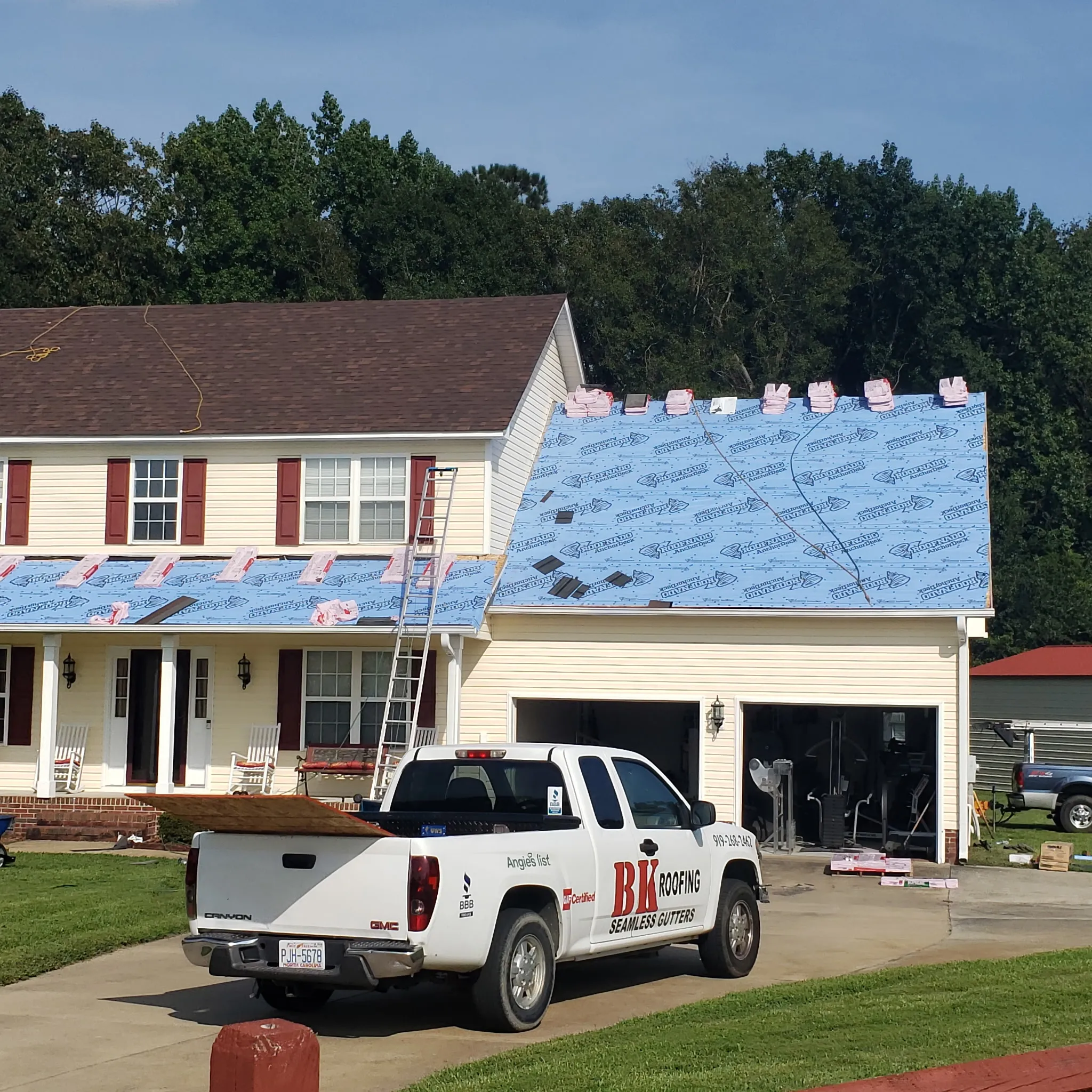
Roof replacement is a significant investment for homeowners, often necessitating careful consideration of various factors, including costs, materials, and contractor selection. This comprehensive guide aims to equip you with essential knowledge about professional roof replacement services, helping you make informed decisions. In 2024, understanding the typical costs associated with roof installation, the impact of different materials on these costs, and how to choose licensed roofing contractors is crucial for ensuring a successful project. Additionally, we will explore financing options available for roof replacement and the necessary maintenance required post-installation. By the end of this article, you will have a clear roadmap for navigating the complexities of roof replacement.
Key Takeaways
A complete roof replacement typically runs $5,000–$15,000, with a national average near $10,000, depending on material, roof size, and regional labor costs.
Asphalt shingles are the most budget-friendly option ($3–$5/sq. ft.), while metal ($7–$12/sq. ft.) and tile ($10–$15/sq. ft.) cost more upfront but last significantly longer.
Metal, tile, and slate roofs offer the longest lifespans — 40 to 100+ years — making them worth considering for long-term value despite higher initial costs.
Always verify a contractor's state license, insurance coverage, and manufacturer certifications before signing a contract.
Financing options like home equity loans, personal loans, and contractor payment plans can make a roof replacement more manageable.
Regular post-installation inspections and gutter maintenance help protect your investment and extend your roof's lifespan.
What Are the Typical Roof Installation Costs in 2024?
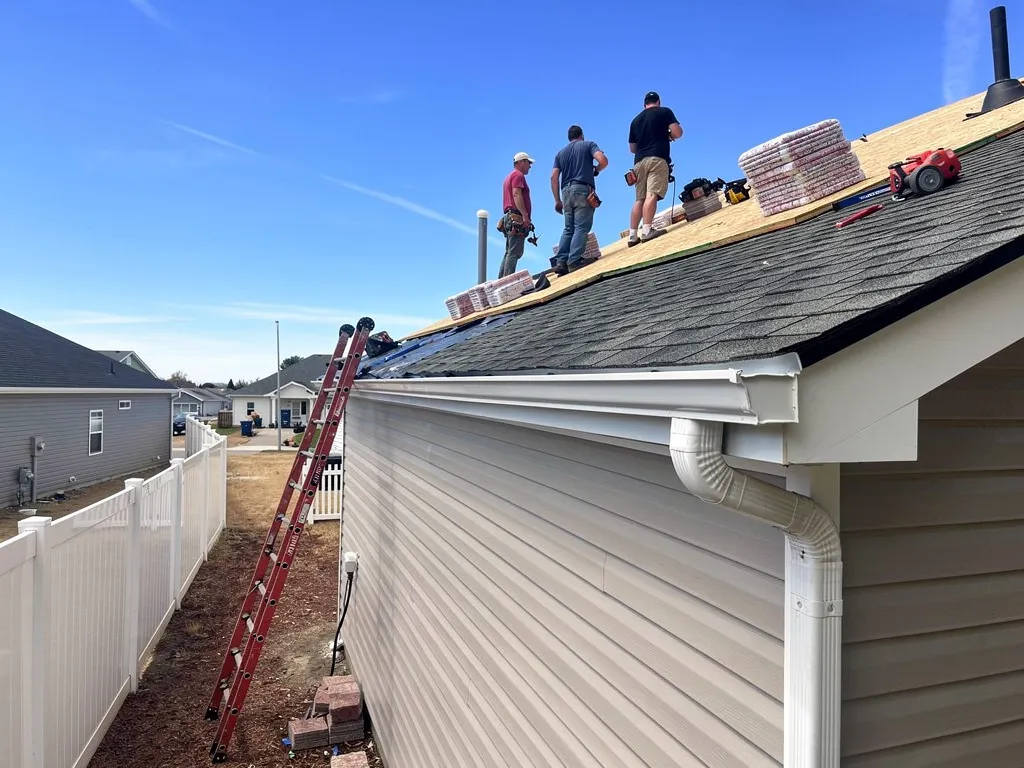
In 2024, the average cost of roof installation varies significantly based on several factors, including the type of roofing material, the size of the roof, and regional labor costs. Homeowners can expect to pay between $5,000 and $15,000 for a complete roof replacement, with the national average hovering around $10,000. Factors influencing these costs include the complexity of the roof design, the pitch of the roof, and any additional features such as skylights or chimneys. Understanding these cost dynamics is essential for budgeting your roof replacement project effectively.
How Do Roofing Materials Affect Roof Replacement Cost Estimates?
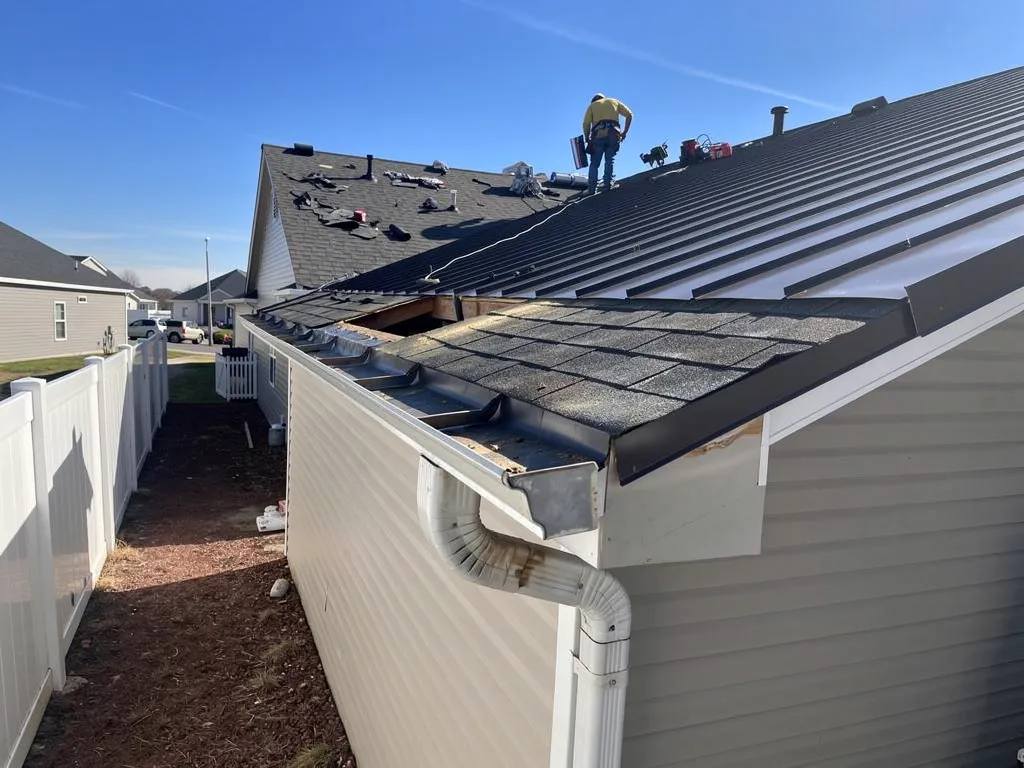
The choice of roofing materials plays a pivotal role in determining the overall cost of roof replacement. Different materials come with varying price points, durability, and aesthetic appeal, which can significantly influence your budget. Below is a roofing materials comparison covering the costs and lifespans of the most common options, including a metal vs asphalt vs tile roof breakdown:
Material | Cost Estimate | Lifespan |
|---|---|---|
Asphalt Shingles | $3.00 - $5.00 per sq. ft. | 15-30 years |
Metal Roofs | $7.00 - $12.00 per sq. ft. | 40-70 years |
Tile Roofs | $10.00 - $15.00 per sq. ft. | 50+ years |
As seen in the table, asphalt shingles are the most cost-effective option, while metal and tile roofs offer greater longevity but at a higher initial investment. The durability and lifespan of these materials can also affect long-term maintenance costs, making it essential to weigh the initial costs against potential future expenses.
Which Roofing Materials Are Best for Long-Lasting Roof Replacement?
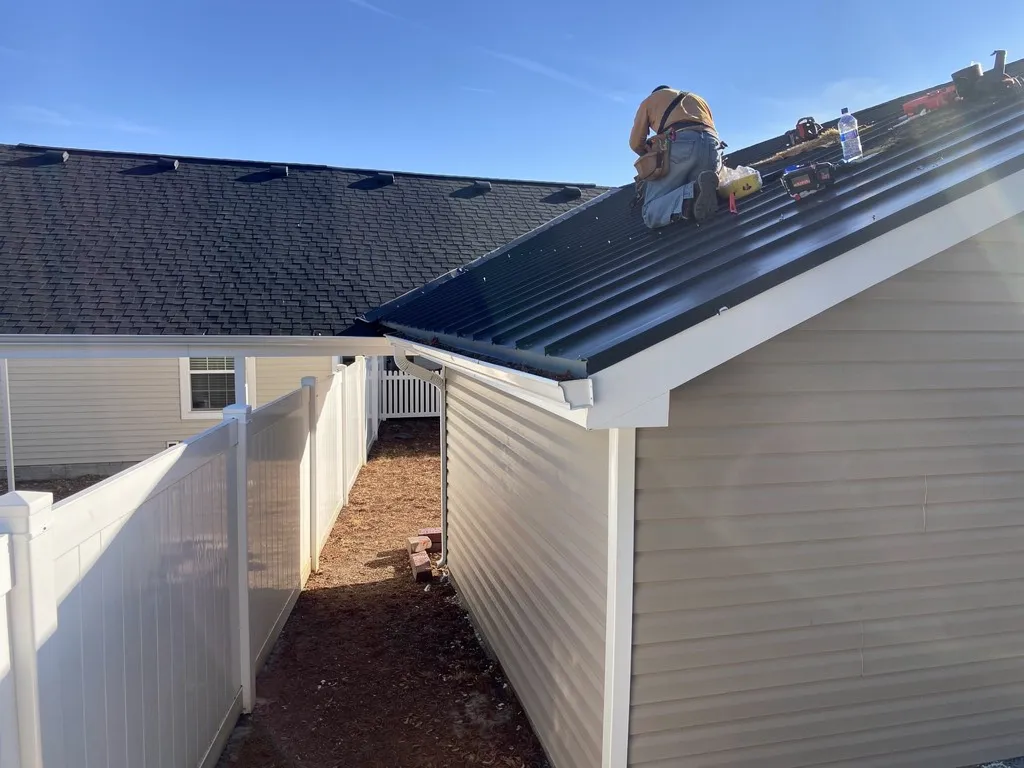
When considering long-lasting roof replacement options, several materials stand out due to their durability and performance. The best materials for longevity include:
Metal Roofs: Known for their exceptional durability, metal roofs can last 40-70 years with proper maintenance. They are resistant to extreme weather conditions and can reflect heat, improving energy efficiency.
Tile Roofs: Tile roofs, particularly clay and concrete tiles, can last over 50 years. They are highly resistant to fire and can withstand harsh weather, making them a popular choice in areas prone to storms.
Slate Roofs: Although more expensive, slate roofs can last over 100 years. Their natural stone composition provides unmatched durability and aesthetic appeal.
Choosing the right material not only impacts the lifespan of your roof but also its overall performance and maintenance requirements.
What Are the Benefits of Asphalt Shingles, Metal, and Tile Roofs?
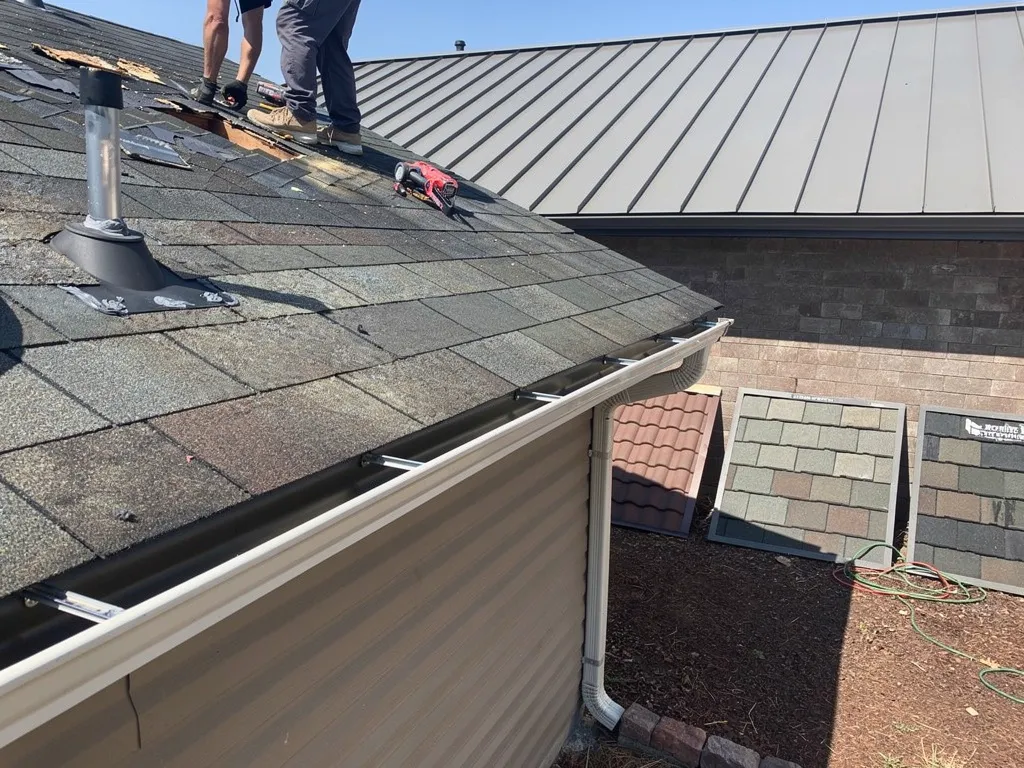
Each roofing material offers unique advantages that cater to different homeowner needs. Here are the benefits of three popular options:
Asphalt Shingles: Cost-Effective: They are one of the most affordable roofing materials available, making them accessible for many homeowners.Variety: Available in various colors and styles, asphalt shingles can complement any home design.Ease of Installation: Their lightweight nature allows for quick and easy installation.
Metal Roofs: Longevity: With a lifespan of 40-70 years, metal roofs are a long-term investment.Energy Efficiency: They reflect solar heat, which can reduce cooling costs in warmer climates.Environmentally Friendly: Many metal roofs are made from recycled materials and are fully recyclable at the end of their life.
Tile Roofs: Aesthetic Appeal: Tile roofs provide a distinctive look that enhances curb appeal.Fire Resistance: They are non-combustible, offering excellent fire protection.Durability: Tile roofs can withstand severe weather conditions, including high winds and hail.
Understanding these benefits can help homeowners make informed decisions based on their specific needs and preferences.
How Do Sustainable Roofing Materials Impact Environmental Footprint?
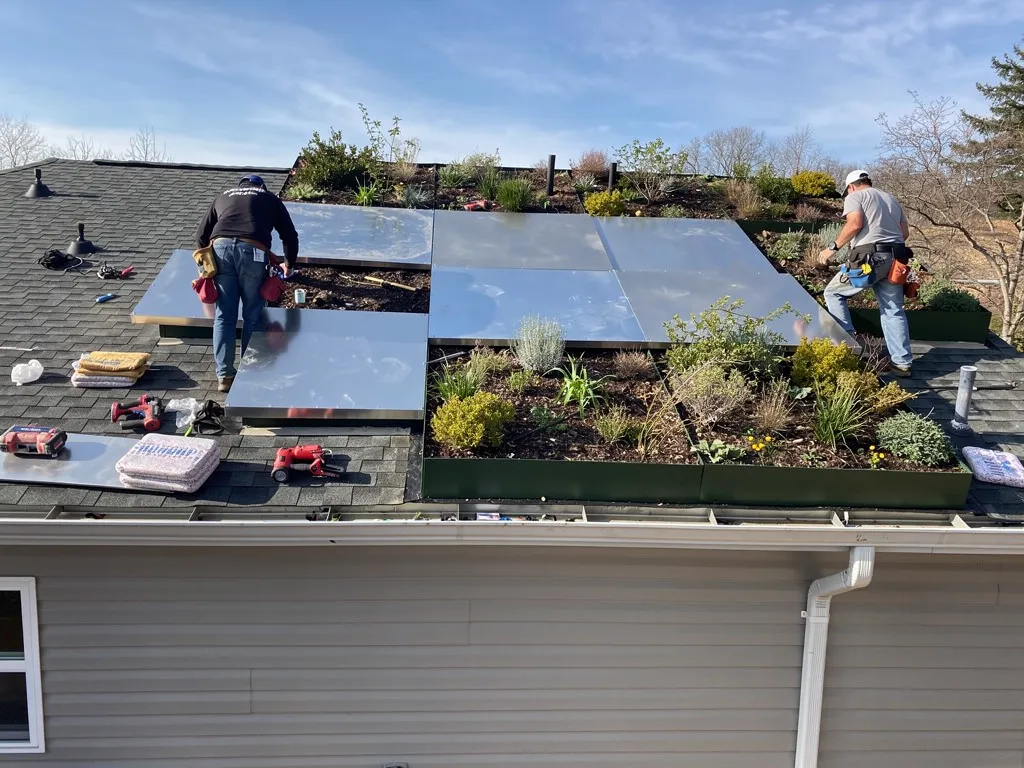
Sustainable roofing materials significantly reduce the environmental footprint of a building. These materials, such as recycled metal, clay tiles, and green roofs, contribute to energy efficiency and lower greenhouse gas emissions.
Reduction in Energy Costs: Sustainable materials often have reflective properties that reduce heat absorption, leading to lower energy consumption for cooling.
Impact on Local Ecosystems: Green roofs, which incorporate vegetation, provide habitats for wildlife and help manage stormwater runoff, reducing the burden on municipal systems.
Long-Term Sustainability Benefits: By choosing sustainable materials, homeowners can contribute to a circular economy, minimizing waste and promoting resource conservation.
Investing in sustainable roofing options not only benefits the environment but can also lead to long-term savings on energy bills.
Further research delves into the specific environmental impacts and carbon footprints of various roofing materials, providing a deeper understanding of their long-term sustainability.
Roofing Materials: Cost, Carbon Footprint & Environmental Impact The residential building sector regularly satisfies a diverse range of housing needs whilst addressing respective capital-cost considerations. Designers and builders must also be aware of the environmental implications of their design specifications; the work here adds to a body of knowledge concerned with carbon footprint and embodied energy demand, specifically through an examination of alternative roof-covering materials. A life cycle assessment (LCA) has been carried out, within a West Australian context, to compare impacts for the roof specification options of: clay tile; concrete tile; and sheet metal. Carbon footprint and embodied energy assessment of roof-covering materials, A Whyte, 2019
How to Choose Licensed Roofing Contractors for Professional Roof Replacement?
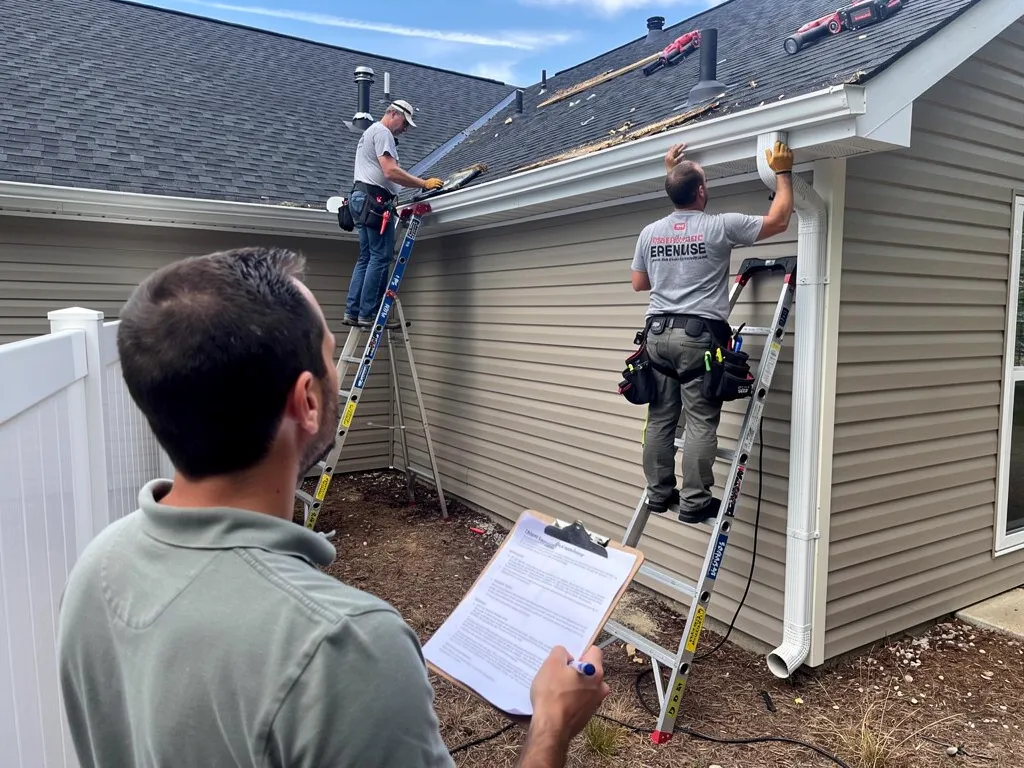
Selecting a licensed roofing contractor is crucial for ensuring quality workmanship and compliance with local regulations. Here are key considerations when choosing a contractor:
Verify Licensing and Insurance: Ensure the contractor holds the necessary licenses and insurance to protect yourself from liability.
Ask for References: Request references from previous clients to gauge the contractor's reliability and quality of work.
Check Reviews: Online reviews and ratings can provide insights into the contractor's reputation and customer satisfaction.
By following these steps, homeowners can find a qualified contractor who meets their needs and expectations.
What Credentials and Licenses Should You Verify?
When evaluating potential roofing contractors, it is essential to verify specific credentials and licenses to ensure they are qualified for the job. Key credentials to check include:
State Licensing: Confirm that the contractor is licensed to operate in your state, as requirements vary by location.
Insurance Coverage: Ensure the contractor has liability insurance and workers' compensation to protect against accidents on the job.
Certifications: Look for certifications from roofing material manufacturers, indicating that the contractor is trained to install their products correctly.
Verifying these credentials helps ensure that you are hiring a reputable and qualified professional for your roof replacement project.
Why Is Hiring a Licensed Roofing Contractor Crucial for Warranty and Quality?
Hiring a licensed roofing contractor is essential for several reasons:
Warranties on Work: Licensed contractors often provide warranties on their workmanship, giving homeowners peace of mind.
Quality Materials and Techniques: Licensed contractors are trained to use the best materials and installation techniques, ensuring a durable roof.
Compliance with Local Regulations: A licensed contractor is familiar with local building codes and regulations, reducing the risk of legal issues.
By choosing a licensed contractor, homeowners can ensure that their roof replacement is completed to the highest standards.
Indeed, the value of a roof warranty is often directly tied to the certification and expertise of the contractor installing the roofing system.
Roof Warranties: Contractor Certification & Investment Value Securing a warranty will require your roofing contractor to be certified to apply that particular roofing system. If you want a warranty from a manufacturer, your roofer of choice has to be certified to apply that particular roofing system. The decision to warranty are roof warranties worth the investment?, 2011
What Is the Step-by-Step Roof Replacement Process?
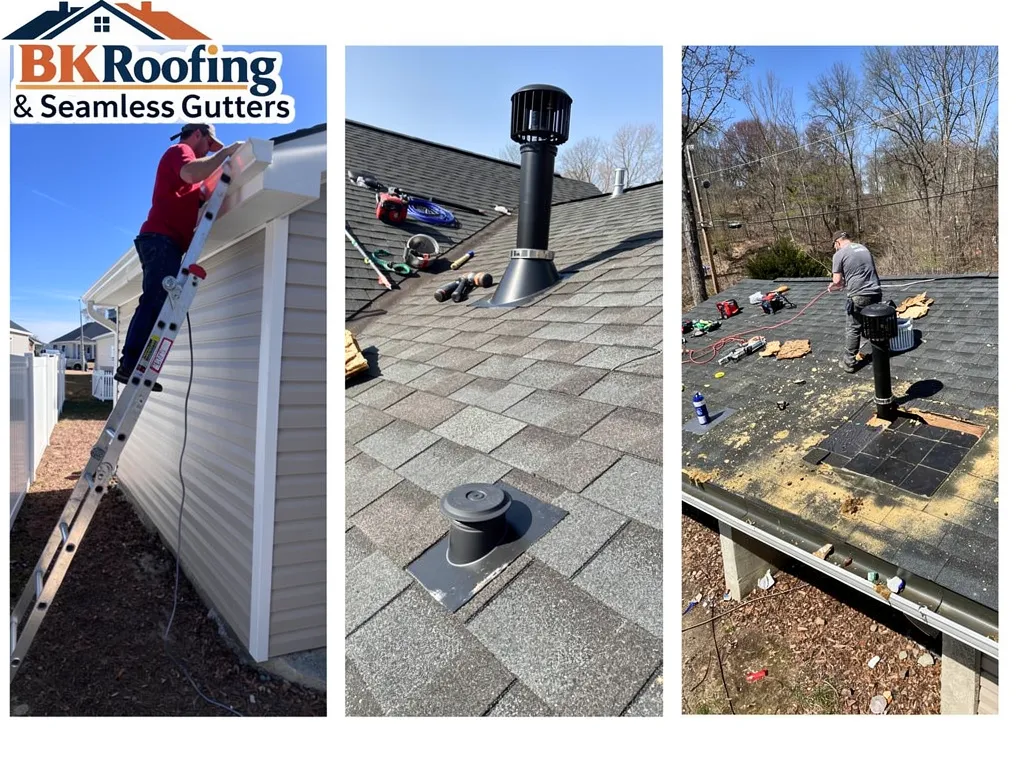
The roof replacement process involves several critical steps to ensure a successful project. Here’s a breakdown of the typical process:
Initial Inspection: A thorough inspection of the existing roof to assess damage and determine the best course of action.
Material Selection: Choosing the appropriate roofing materials based on budget, aesthetics, and durability.
Installation: The actual replacement of the roof, which includes removing the old roofing material, repairing any underlying damage, and installing the new roof.
Final Inspection: A final walkthrough to ensure the installation meets quality standards and all work is completed satisfactorily.
Understanding this process can help homeowners prepare for what to expect during their roof replacement project.
How Is a Roof Inspection Checklist Used Before Replacement?
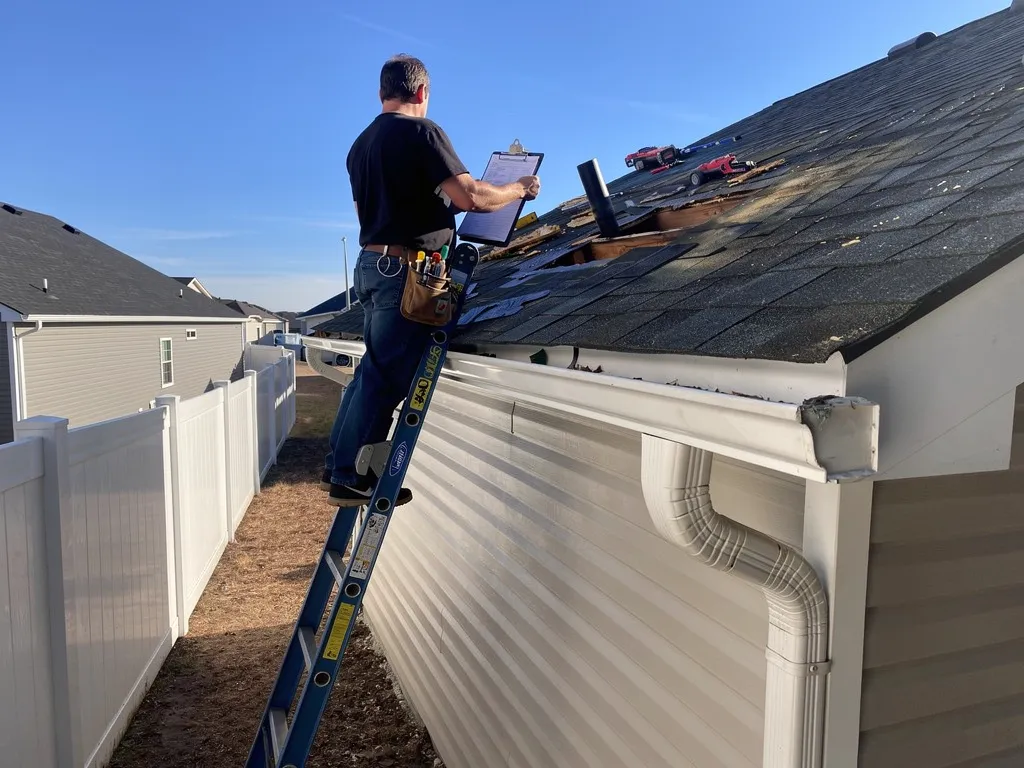
A roof inspection checklist is a valuable tool for assessing the condition of an existing roof before replacement. Key elements of an inspection checklist include:
Visual Inspection: Checking for visible signs of damage, such as missing shingles, leaks, or sagging areas.
Structural Assessment: Evaluating the underlying structure for any signs of rot or damage that may need repair before installation.
Gutter and Flashing Check: Ensuring that gutters and flashing are in good condition to prevent water damage.
Using a checklist helps ensure that all critical aspects of the roof are evaluated, leading to a more informed decision about replacement.
What Are the Key Installation and Repair Stages?
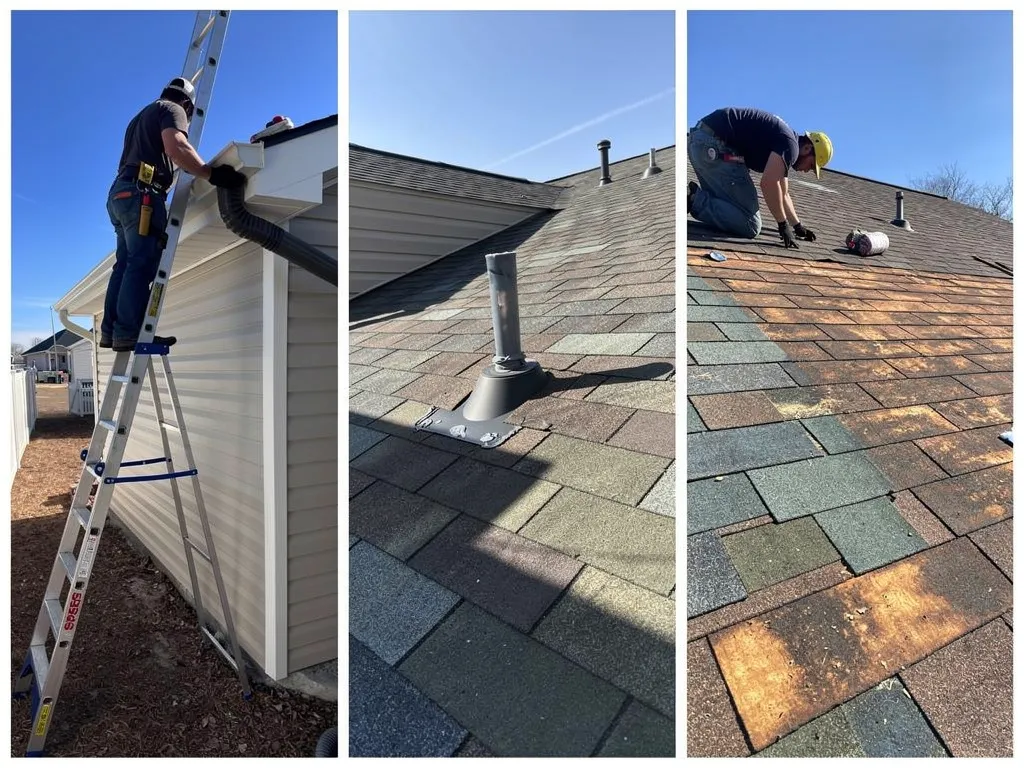
The installation and repair of a roof involve several key stages that ensure a successful outcome. These stages include:
Inspection and Leak Detection: Identifying any existing leaks or damage that need to be addressed before installation.
Shingle Replacement: Removing old shingles and replacing them with new materials, ensuring proper alignment and sealing.
Final Installation and Maintenance: Completing the installation and conducting a final inspection to ensure everything is in order.
Understanding these stages can help homeowners appreciate the complexity of roof replacement and the importance of professional assistance.
How Can You Finance Your Roof Replacement Project?
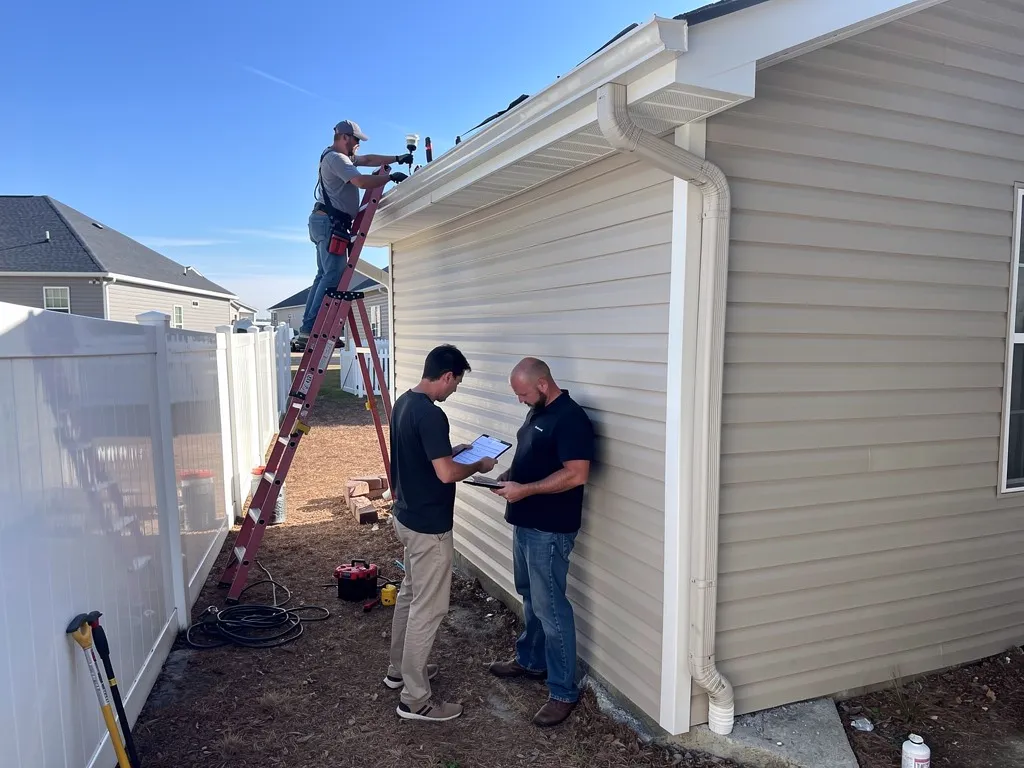
Financing a roof replacement project can be a significant concern for many homeowners. There are several options available to help manage the costs:
Home Equity Loans: These loans allow homeowners to borrow against the equity in their home, often at lower interest rates.
Personal Loans: Unsecured personal loans can provide the necessary funds for roof replacement without requiring collateral.
Credit Options: Some contractors offer financing plans that allow homeowners to pay for their roof replacement over time.
Exploring these financing options can help homeowners find a solution that fits their budget and financial situation.
What Financing Options Are Available for Roof Replacement?
When considering financing for roof replacement, homeowners have several options to choose from:
Home Equity Loans: These loans typically offer lower interest rates and longer repayment terms, making them a popular choice for larger projects.
Personal Loans: Unsecured personal loans can be obtained quickly and do not require collateral, though they may have higher interest rates.
Contractor Financing: Many roofing contractors offer financing plans that allow homeowners to pay in installments, making it easier to manage costs.
By understanding these options, homeowners can make informed decisions about financing their roof replacement.
How Do Cost Estimates Influence Financing Decisions?
Cost estimates play a crucial role in determining the best financing options for roof replacement. Homeowners should consider the following:
Understanding Cost Estimates: Accurate cost estimates help homeowners budget effectively and identify the most suitable financing options.
Budgeting for Roof Replacement: Knowing the total cost allows homeowners to explore financing options that align with their financial capabilities.
Long-Term Financial Implications: Homeowners should consider the long-term impact of financing decisions, including interest rates and repayment terms.
By carefully evaluating cost estimates, homeowners can make informed financing decisions that support their roof replacement project.
What Maintenance Is Needed After Roof Replacement?
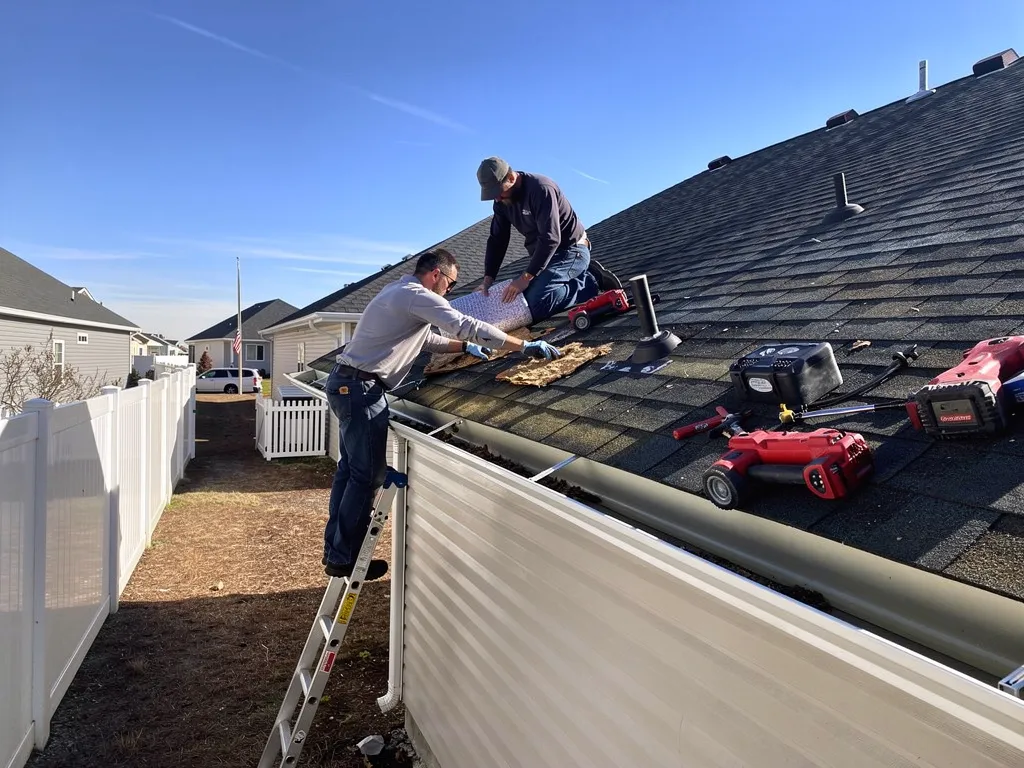
Post-installation maintenance is essential for ensuring the longevity and performance of a new roof. Key maintenance tasks include:
Regular Inspections: Conducting periodic inspections to identify any potential issues early on.
Cleaning Gutters: Keeping gutters clear of debris to prevent water damage and ensure proper drainage.
Addressing Minor Repairs: Promptly addressing any minor repairs to prevent them from escalating into more significant issues.
Implementing a maintenance plan can help homeowners protect their investment and extend the life of their new roof.
How to Use a Roof Inspection Checklist for Post-Installation Care?
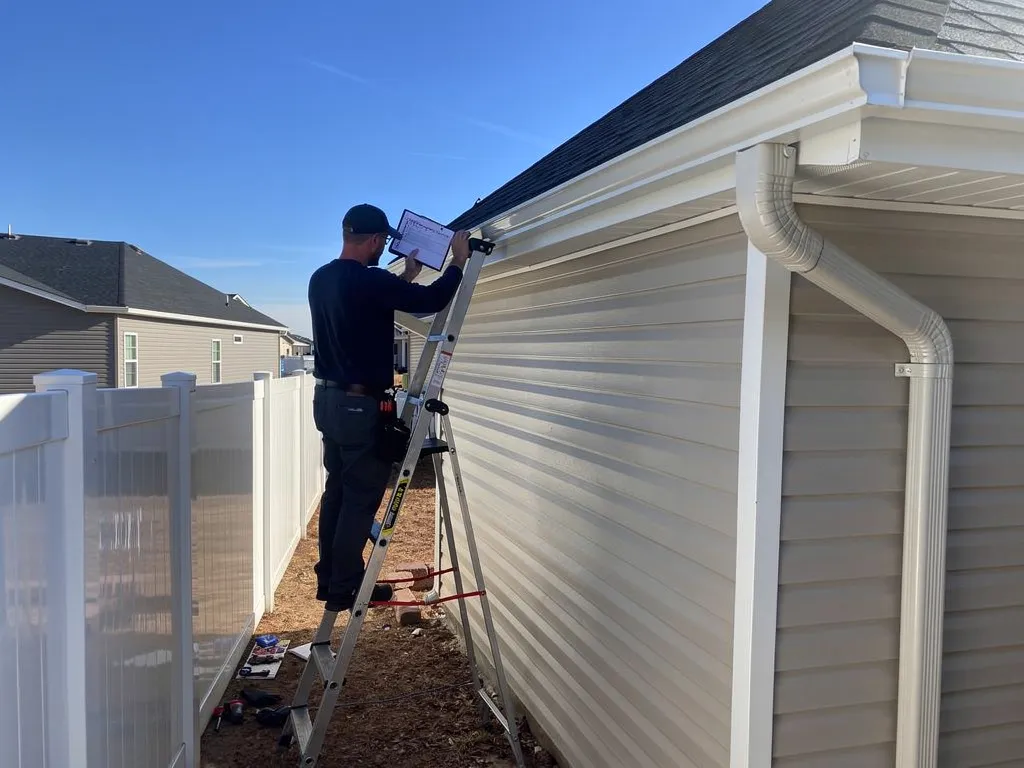
A roof inspection checklist can be a valuable tool for post-installation care. Key elements to include in the checklist are:
Checklist Elements for Post-Installation: Ensure that all components of the roof, including flashing and gutters, are in good condition.
Timing for Inspections: Schedule inspections after significant weather events or at least twice a year to catch any potential issues early.
Common Post-Installation Issues: Be aware of common issues such as leaks or loose shingles that may arise after installation.
Using a checklist helps homeowners maintain their roof effectively and address any issues promptly.
What Are Common Roof Repair Services After Replacement?
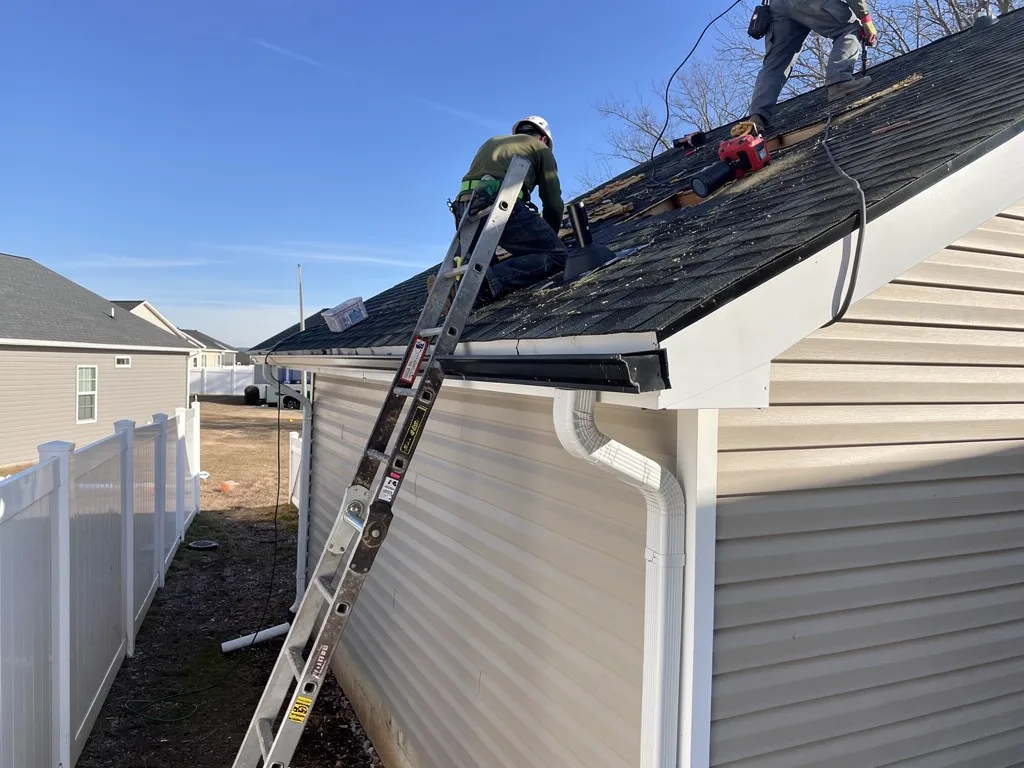
After a roof replacement, homeowners may require various repair services to maintain the roof's integrity. Common services include:
Leak Detection and Repair: Identifying and fixing leaks to prevent water damage.
Shingle Replacement: Replacing any damaged or missing shingles to maintain the roof's appearance and functionality.
Flashing Repair: Ensuring that flashing is properly sealed to prevent leaks around chimneys and vents.
Understanding these common repair services can help homeowners stay proactive in maintaining their new roof.
Conclusion
Replacing your roof is one of the most significant investments you'll make in your home, and getting it right requires understanding costs, materials, contractor credentials, and financing before you begin. From budgeting $5,000 to $15,000 depending on your material choice, to weighing the long-term value of asphalt shingles against metal, tile, or slate, every decision along the way shapes how well your roof performs for decades to come. Verifying a contractor's licensing and insurance, following a clear installation process, and staying on top of post-installation maintenance are what separate a roof that lasts from one that leads to costly repairs. With the guidance in this article, you're equipped to plan your roof replacement with confidence and choose a path that fits both your home's needs and your budget.
Frequently Asked Questions
How long does a roof replacement typically take?
Most residential roof replacements are completed in one to three days, depending on the roof's size, complexity, and the materials being installed. Larger homes, steep pitches, or premium materials like slate and tile can extend the timeline.
How much does it cost to replace a roof in 2024?
Homeowners can expect to pay between $5,000 and $15,000 for a complete roof replacement, with the national average around $10,000. The final cost depends on roofing material, roof size, pitch, and regional labor rates.
What is the most durable roofing material?
Slate roofs are among the most durable, lasting over 100 years, followed by tile roofs (50+ years) and metal roofs (40-70 years). Asphalt shingles are more affordable but typically last 15-30 years.
How do I know if my roofing contractor is properly licensed?
Ask to see proof of state licensing, liability insurance, and workers' compensation coverage, and confirm any manufacturer certifications for the materials being installed. A reputable contractor will provide this documentation without hesitation.
How often should I inspect my roof after installation?
Schedule a professional inspection at least twice a year and after any significant storm or weather event. Regular inspections help catch minor issues, like loose shingles or clogged gutters, before they become costly repairs.
Are there financing options available for roof replacement?
Yes. Common options include home equity loans, unsecured personal loans, and contractor-offered payment plans, each with different interest rates and repayment terms to fit different budgets.
Ready to Start Your Roof Replacement?
At BK Roofing & Seamless Gutters, we bring the licensed expertise and quality craftsmanship needed to get your roof replacement done right the first time. Contact us today at +1 (919) 268-2462 or info@bkroofingandgutters.com to schedule your free inspection and estimate.